
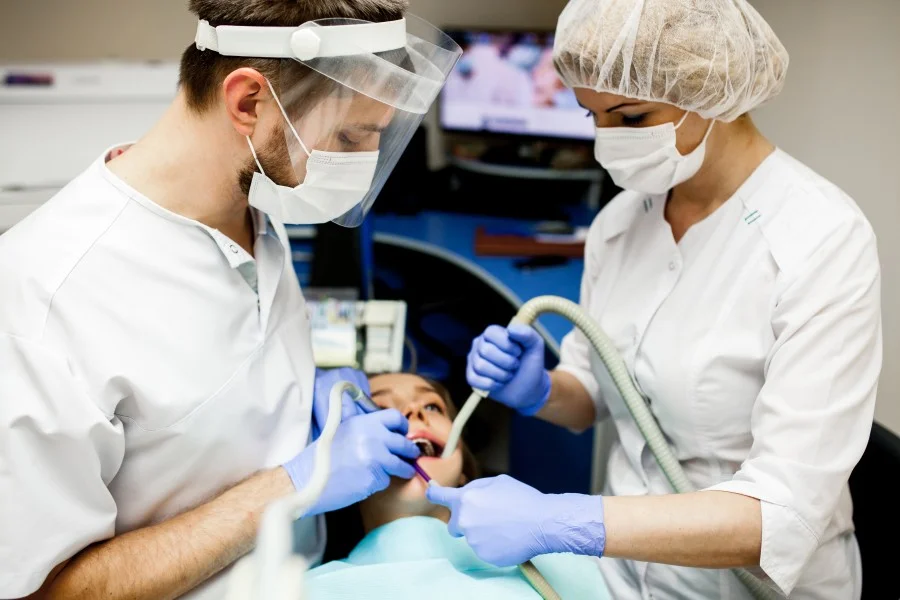
Oral healthcare has changed significantly over the last decade. Modern dental clinics no longer rely only on traditional examination methods. Today, advanced diagnostic tools, digital imaging, and minimally invasive treatment techniques help dentists diagnose problems earlier and provide more comfortable care.
If you are looking for a Dental Surgeon in Greater Noida West, choosing Ministry of Dentistry, which uses modern technology can make a noticeable difference in your treatment experience. Advanced equipment improves accuracy, reduces treatment time, enhances patient comfort, and supports better long-term oral health.
For fast information, contact us on WhatsApp.
Modern dental technology helps a dental surgeon diagnose oral problems with greater accuracy, plan treatments more precisely, reduce discomfort, and improve recovery. Digital imaging, intraoral scanners, laser dentistry, and advanced sterilization systems contribute to safer, faster, and more predictable dental care for patients.
Why Technology Matters in Modern Dentistry
Technology has transformed nearly every aspect of dental care. From routine check-ups to complex oral surgeries, digital innovations help dental professionals provide personalized treatment based on detailed clinical information.
Patients also benefit from:
- Earlier detection of dental problems
- Reduced treatment discomfort
- Better treatment planning
- Faster appointments
- Improved communication between dentist and patient
- More predictable treatment outcomes
Rather than replacing professional expertise, technology supports the skills and experience of a qualified dental surgeon.
How a Dental Surgeon in Greater Noida West Uses Digital Diagnostics
Accurate diagnosis forms the foundation of successful treatment. Digital diagnostic tools allow dentists to identify issues before they become serious.
Common technologies include:
Digital X-rays
Digital radiographs provide clear images while exposing patients to significantly lower radiation compared to conventional X-rays.
They help identify:
- Tooth decay
- Bone loss
- Infections
- Wisdom tooth position
- Hidden cavities
- Root problems
Because images appear instantly, treatment planning becomes faster and more efficient.
Intraoral Cameras
Small intraoral cameras capture detailed images inside the mouth.
Patients can clearly see:
- Cracked teeth
- Cavities
- Gum inflammation
- Existing dental work
This visual approach helps patients understand their oral condition and participate in treatment decisions.
3D Imaging Improves Surgical Precision
Many advanced dental clinics now use Cone Beam Computed Tomography (CBCT).
Unlike traditional X-rays, CBCT creates detailed three-dimensional images of:
- Teeth
- Jawbone
- Nerves
- Sinuses
- Facial structures
For procedures such as dental implants, wisdom tooth removal, or oral surgery, these images allow the dentist to plan treatment with greater precision while reducing unnecessary risks.
Digital Smile Design Creates Better Cosmetic Results
Cosmetic dentistry has become more predictable thanks to Digital Smile Design.
Before beginning treatment, dentists can digitally simulate potential results for procedures such as:
- Veneers
- Teeth whitening
- Smile makeovers
- Crowns
Patients gain a realistic understanding of expected outcomes before treatment starts.
This technology also improves communication between the dentist, laboratory, and patient.
Laser Dentistry Makes Many Procedures More Comfortable
Laser technology has become an important advancement in modern dentistry.
Depending on the treatment, lasers may assist with:
- Gum reshaping
- Gum disease management
- Soft tissue procedures
- Ulcer treatment
- Reducing bacterial infection
Laser-assisted procedures often involve:
- Less bleeding
- Greater precision
- Reduced swelling
- Improved healing
- Enhanced patient comfort
However, not every procedure requires laser technology. Your dental surgeon will recommend the most suitable approach based on your condition.
Digital Impressions Replace Traditional Moulds
Traditional dental impressions often caused discomfort because patients had to bite into impression material for several minutes.
Many modern clinics now use intraoral scanners.
These scanners:
- Capture highly accurate digital impressions
- Improve patient comfort
- Reduce errors
- Speed up crown and aligner planning
- Improve restoration accuracy
Digital impressions also simplify communication with dental laboratories.
Advanced Sterilization Supports Patient Safety
Technology improves safety as much as treatment quality.
Ministry of Dentistry follow strict infection control protocols using advanced sterilization equipment.
These typically include:
- Autoclave sterilization
- Instrument tracking systems
- Disposable clinical materials where appropriate
- Surface disinfection protocols
- Waterline maintenance
Effective sterilization protects both patients and healthcare professionals.
Better Treatment Planning Through Digital Records
Digital patient records provide dentists with a complete picture of oral health history.
This helps monitor:
- Previous treatments
- X-ray comparisons
- Gum health
- Orthodontic progress
- Implant maintenance
Because records remain organized and easily accessible, future treatments become more accurate and efficient.
Benefits for Patients
Choosing a clinic equipped with advanced technology offers several practical advantages.
Patients often experience:
- More accurate diagnosis
- Earlier disease detection
- Less invasive treatment
- Reduced chair time
- Improved comfort
- Better treatment planning
- Faster recovery
- Enhanced long-term oral health
Technology also helps reduce uncertainty by allowing patients to better understand their dental conditions.
Choosing the Right Dental Surgeon in Greater Noida West
While advanced equipment is valuable, technology alone does not guarantee excellent care.
When selecting a Dental Surgeon in Greater Noida West, consider:
- Professional qualifications
- Clinical experience
- Patient-focused communication
- Modern diagnostic facilities
- Sterilization standards
- Transparent treatment planning
- Positive patient reviews
- Personalized recommendations
An experienced dental surgeon combines advanced technology with clinical expertise to deliver safe, evidence-based treatment.
Technology Supports Preventive Dentistry
Modern dentistry focuses not only on treating problems but also on preventing them.
Routine examinations supported by digital diagnostics help identify:
- Early cavities
- Gum disease
- Bite abnormalities
- Oral infections
- Bone loss
- Oral cancer warning signs
Early intervention often leads to simpler, more affordable, and less invasive treatment.
Maintaining regular dental check-ups remains one of the most effective ways to preserve long-term oral health.
Final Thoughts
Technology continues to reshape the way dental care is delivered. From digital diagnostics and 3D imaging to laser-assisted procedures and advanced sterilization, these innovations help improve accuracy, comfort, and patient safety. However, successful treatment always depends on the combination of advanced equipment and professional expertise. If you are searching for a trusted Dental Surgeon in Greater Noida West, Ministry of Dentistry values evidence-based care, modern technology, and personalized treatment planning. Scheduling regular dental visits allows early detection of problems and helps you maintain a healthy smile for years to come.